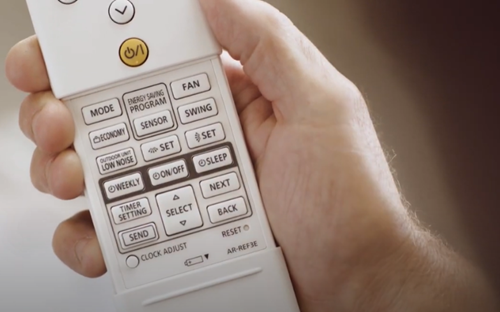
Heat Pump / AC Settings for Summer for Energy Efficiency

It wouldn’t be a New Zealand summer without a period of uncomfortable temperatures. Your home heat pump / air conditioning will work super hard during the peak season to keep your home cool, which means energy consumption and costs could climb without you even realising it.
That being said, soaring temperatures shouldn’t mean sweltering in the heat for fear of a higher-than-average energy bill. We’ve put together some useful tips on the best way to use a heat pump in summer so you can create a cool living environment, without breaking the bank.
For extra efficiency on humid days, learn how to make the most of GENERAL’s Heat Pump / Air Conditioning Dry Mode.
Why Heat Pump / AC Cooling Efficiency in Hot Weather Matters
As summer temperatures rise, your heat pump / air conditioner has to work harder to keep your home cool. This can coincide with peak electricity demand, meaning higher running costs for households across New Zealand. If you monitor your heat pump settings during summer, you can reduce the strain on your unit, lower energy consumption and still maintain a comfortable temperature to relax in.
Whether you use a single room heat pump / air conditioner for targeted comfort or a ducted heat pump system to manage your whole home, choosing efficient settings and keeping your system well-maintained will make a noticeable difference. Efficient cooling not only lowers day-to-day costs but also helps extend the life of your system.
Heat Pump / Air Conditioner Performance and Energy Ratings
In summer, your heat pump / air conditioner operates in cooling mode, functioning like a refrigerator in reverse. Warm indoor air passes over the evaporator coil, where heat is absorbed and moved outside via the refrigerant cycle. Meanwhile, cooler, dehumidified air is circulated back into your home, creating a consistently comfortable indoor environment.
When considering performance, key efficiency metrics include the Energy Efficiency Ratio (EER) and Total Cooling Seasonal Performance Factor (TCSPF). These ratings help you compare how effectively a heat pump / air conditioner delivers cooling relative to the energy it consumes. By understanding how to use your heat pump efficiently in summer and optimising its performance, you can enjoy maximum comfort while minimising energy consumption.
Want to know more? Read about energy efficiency ratings and how they apply to modern heat pump / AC systems.
Running a Heat Pump / AC in Summer: Key Considerations
Using your heat pump / air conditioner wisely during the summer months can make a big difference to both comfort and running costs. From selecting the optimal summer setting for your air conditioner unit to performing regular heat pump / air conditioning maintenance, these small changes will help your system operate more efficiently. Paired with a well-insulated home ensures your heat pump / air conditioner delivers consistent cooling without wasting energy.
Optimal settings
When temperatures outside are high, it can be tempting to turn your heat pump / air conditioner to the lowest setting. In reality, this doesn’t cool your space any quicker; it just forces the system to work harder and use more electricity. For most New Zealand homes, the ideal temperature in summer is around 25-27°C, or as high as you feel comfortable with. Keeping your heat pump settings for summer at such a moderate temperature reduces strain on the unit while maintaining a pleasant indoor climate.
Even small adjustments make a noticeable impact. Increasing the thermostat by just one degree can lower your cooling costs by up to 10% in hot weather, making it one of the easiest ways to balance efficiency with comfort.
Preparation and maintenance are key
Regular air conditioner maintenance ensures your system runs efficiently when you need it most. A poorly maintained heat pump / air conditioner has to work harder to cool your home, which increases power consumption and adds to household expenses. Ideally, you should book a professional service every one to two years, depending on usage, to keep performance at its best.
Basic upkeep between services also goes a long way. During everyday use, dust and debris can build up inside the unit and block airflow. Clean your heat pump / air conditioner filters monthly to maintain efficiency and improve indoor air quality. That means vacuuming or gently washing reusable filters and replacing disposable filters as recommended by the manufacturer. Dust that builds up along the indoor unit grilles and the louvres can also be vacuumed and wiped with a damp cloth. This will improve the cooling performance and can extend the life of your system.
Insulate and seal the home
Your heat pump / air conditioner’s efficiency is limited if air is escaping. A well-insulated and sealed home makes it easier for your system to maintain the desired temperature, reducing the amount of energy required. Ceiling insulation is particularly effective for lowering summer cooling costs, while simple measures like closing doors and windows, sealing draughts and using curtains to block out afternoon sun can also improve efficiency.
If you live in a bigger house, zoning is also handy. If your ducted system has optional zone control, you can cool only the rooms you’re using, avoiding wasted energy in empty areas. Even without zoning, shutting doors to unused spaces helps direct cool air where it’s needed most.
Summer Efficiency Takeaways with GENERAL New Zealand
Maximising your heat pump / air conditioner’s performance in summer starts with choosing the right setting for optimal cooling, keeping up with maintenance and ensuring your home retains cool air efficiently. Small changes, like maintaining a moderate temperature, cleaning filters regularly and using timers, can lower energy use while keeping a comfortable home during the hottest months.
If you’d like personalised advice on the best way to run your General Airstage (formerly Fujitsu) system or need help with maintenance, simply contact us. Our team is here to ensure your home stays cool, efficient and cost-effective all summer long.

Helpful Articles
Helpful articles and tips on how to keep your home and office comfortable all year round.